If you have never bought tires by category before, the shelf in Norwood looks simple and the labels do not help. All-season, all-weather, and summer tires sit side by side at similar sizes, and the names suggest a tidy ladder from mild to serious. The reality is three different compromises, each built around a temperature range.
This walkthrough goes step by step, the way a first purchase actually unfolds at a shop like M & R Retreading & Oil Co: what you drive, where you drive it, and which two or three bad-weather days a year you refuse to be stranded by. Answer those honestly and the category mostly picks itself.
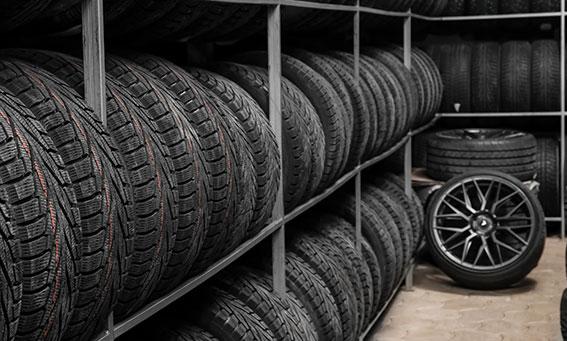
Step one: know what each name promises
All-season tires are the default in the Piedmont for a reason. Their rubber compound and tread pattern are built to work across a wide range: hot summer pavement, heavy rain, and light winter weather. They carry an M+S marking and handle a Norwood winter's typical cold rain and brief slush without drama.
All-weather tires are a step closer to winter tires. They carry the three-peak mountain snowflake symbol, which means they passed a standardized snow traction test, and their compound stays flexible at lower temperatures than an all-season's. Summer tires sit at the other end: soft, grippy compound and a tread built for warm dry and wet roads, with no intention of working in cold weather at all.
- Start with your worst driving day, not your average one: name the weather you will not stay home for.
- Check the symbol: M+S marks a standard all-season; the three-peak mountain snowflake marks an all-weather or winter-rated tire.
- Rule summer tires in or out based on winter use: driven year-round in Norwood means they are out.
- Confirm size, load index, and speed rating from the driver's door placard, not from memory.
- Have the set mounted and balanced, and ask for an alignment check if the old tires wore unevenly.
- Write down the mileage and set a rotation reminder in the 5,000 to 8,000 mile range.
- Check pressures monthly and again at the first cold snap of the season.
Step two: be honest about Piedmont winter
Norwood does not get a northern winter. It gets a few freezing rain events, an occasional ice storm, and cold snaps where morning temperatures sit well below freezing for days. Ice is the honest test here, and no tire in these three categories is genuinely good on glare ice; winter-rated rubber just gets you closer, and careful speed does the rest.
The practical divide is this. If a storm means you stay home until roads clear, all-seasons cover your year. If your job, your family, or a long rural driveway means you drive during and right after winter weather, all-weather tires earn their keep on those mornings. Summer tires, meanwhile, harden and lose grip as temperatures drop toward and below about 40 degrees, even on dry pavement, so they are a poor match for a car driven year-round here.
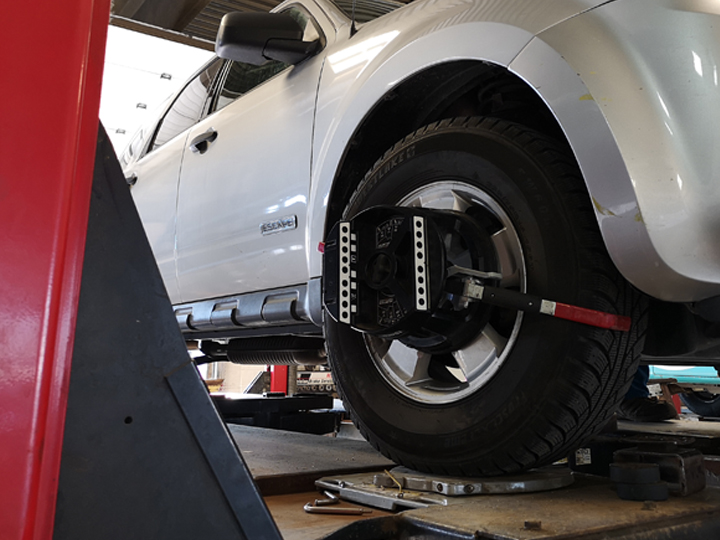
Step three: match the tire to your actual driving
Most Norwood drivers commute on dry or wet roads, take a few highway trips a year, and see snow rarely. That profile is exactly what all-season tires are built for, and it is why they are the standard recommendation. Drivers who head to the mountains regularly in winter, or who leave before dawn on untreated roads, shift the answer toward all-weather.
Summer tires make sense for a second car or a driver who values warm-weather grip and will park the car, or swap wheels, when the cold arrives. What does not work is running summer tires through a Piedmont winter because they still have tread left. Tread depth is not the issue; compound temperature is, and no rotation schedule changes the chemistry.
Step four: buy, mount, and set the habit
Once the category is settled, the purchase steps are plain: confirm the size and load rating from the door jamb placard, have the tires mounted and balanced, and ask for an alignment check if the old set wore unevenly. Keep the paperwork, note the mileage, and put rotations on your calendar at the interval the shop recommends, commonly in the 5,000 to 8,000 mile range.
Recheck pressure monthly, and always when a cold snap arrives, since pressure falls as temperature drops. That small habit protects any of the three categories. The category decides what the tire can do on the worst mornings; pressure and tread decide how much of that ability you actually get.
Common questions
Are all-weather tires just marketing?
No. The mountain snowflake symbol reflects a real snow traction standard, and the colder-weather compound is a genuine difference from a standard all-season tire.
Can I run summer tires if I drive carefully in winter?
Careful driving does not warm the compound. Below roughly 40 degrees, summer rubber hardens and grip falls off sharply, so year-round Piedmont use is not a sound plan.
Do I need to change all four at once?
Matching all four keeps handling predictable, and all-wheel-drive vehicles generally require it. If you replace only two, the new pair goes on the rear axle.
Photos in this guide are representative stock images.
← All guides from M & R Retreading & Oil Co← Back to M & R Retreading & Oil Co